Conference Overview
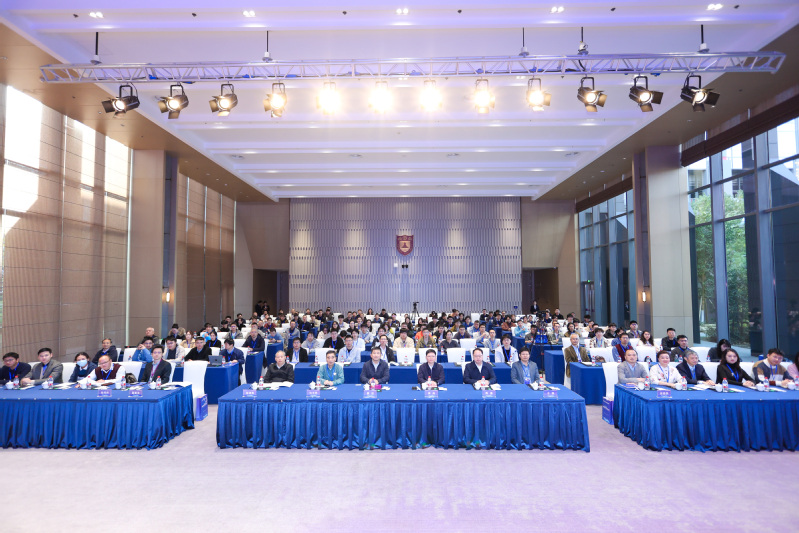
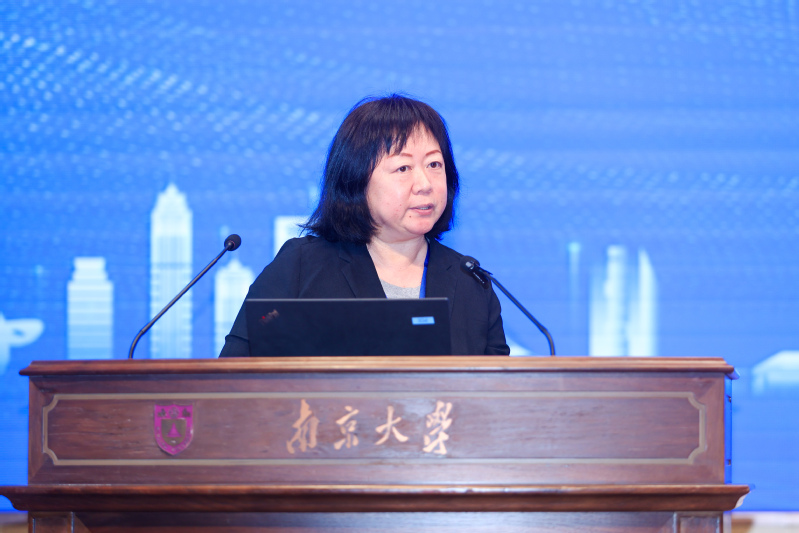
From November 25 to 27, the 12th International Workshop on Solid-State Quantum Computing (IWSSQC12), co-hosted by Nanjing University, South China Normal University, The University of Hong Kong, and Quantum Science Center of Guangdong-Hong Kong-Macau Greater Bay Area, was successfully held at Nanjing University Suzhou Campus. Jiang Tian, Assistant President of Nanjing University, Executive Deputy Director of the Suzhou Campus Administrative Committee, and Dean of the Frontier Science Institute; Li Wei, Member of the Party Working Committee and Deputy Director of the Administrative Committee of Suzhou Science and Technology Town; Wang Zidan, Co-Chair of the Conference, Deputy Director of Quantum Science Center of Guangdong-Hong Kong-Macau Greater Bay Area, and Professor of The University of Hong Kong; and Yu Yang, Professor of the School of Physics at Nanjing University and Director of Shishan Quantum Computation and Quantum Detection Laboratory, attended the opening ceremony and delivered speeches respectively.
Jiang Tian pointed out that this conference, focusing on Experimental Breakthroughs and Theoretical Innovations in Scalable Quantum Information Processing, is a concrete practice in response to the national strategy of building a strong science and technology country. He emphasized that as an important base for quantum research in China, Nanjing University has anchored national strategic needs, built a multi-level innovation ecosystem, established platforms such as Shishan Quantum Laboratory based on Suzhou Campus, and smoothed the achievement transformation chain.
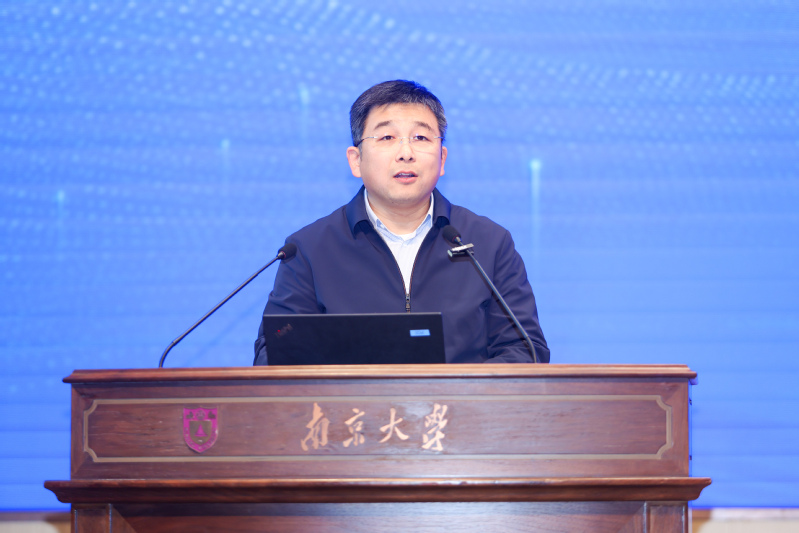
Li Wei stated that the choice of Suzhou Science and Technology Town as the venue for the 12th Workshop is not only full recognition of its innovative environment but also a valuable opportunity to connect with cutting-edge achievements and gather top wisdom. As the host, Suzhou Science and Technology Town will fully provide service guarantees with the most thoughtful services and superior environment, allowing experts and scholars to focus on academic exchanges and ideological collisions.
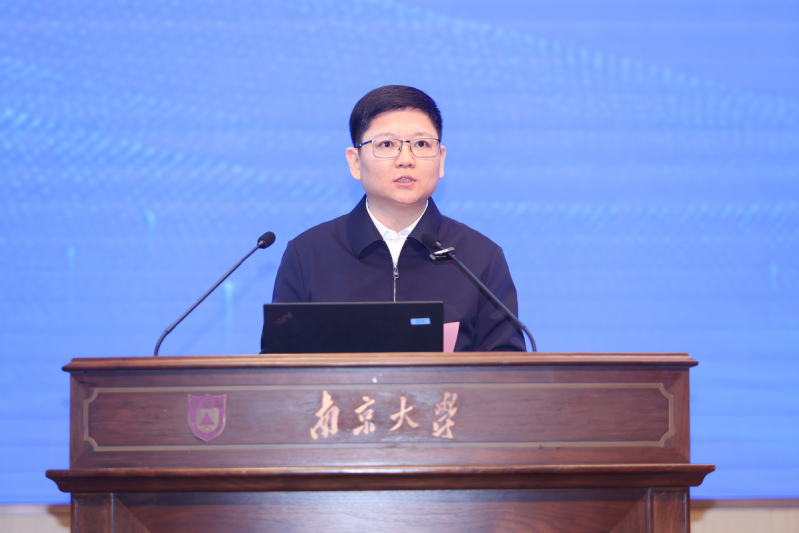
Wang Zidan delivered a welcome speech, extending cordial greetings to the participating guests, warmly welcoming colleagues from all walks of life, and thanking everyone for their attention and support to the development of quantum technology. This conference focuses on quantum technology breakthroughs and industry-university-research collaboration, building an important platform for industry exchanges.
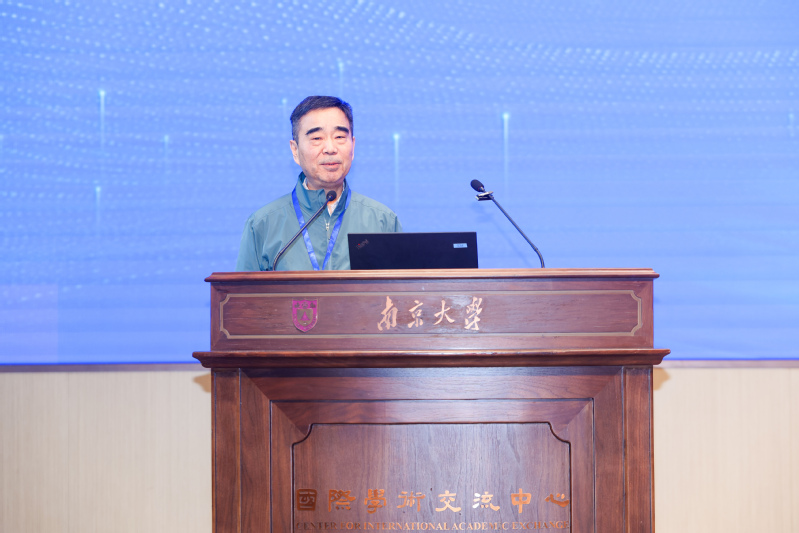
Yu Yang, as the convener of the conference, noted that since the first International Workshop on Solid-State Quantum Computing was held in Nanjing in 2007, the conference has developed into an important platform for the exchange and collision of cutting-edge ideas in the field of solid-state quantum computing. In his speech, Yu Yang reviewed the breakthrough progress made in the quantum technology field over the past 18 years, pointed out the current practical challenges, and called on global researchers to strengthen cooperation and jointly promote quantum science research into a new stage of greater innovation and effectiveness.
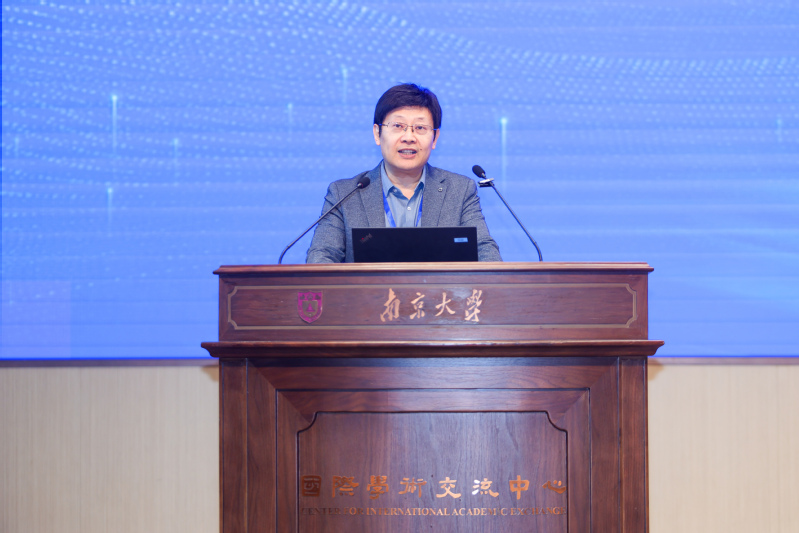
The opening ceremony was hosted by Chen Qian, Deputy Director of the Suzhou Campus Administrative Committee of Nanjing University, and Secretary of the Party Committee of the College of Advanced Engineering and the Frontier Science Institute.
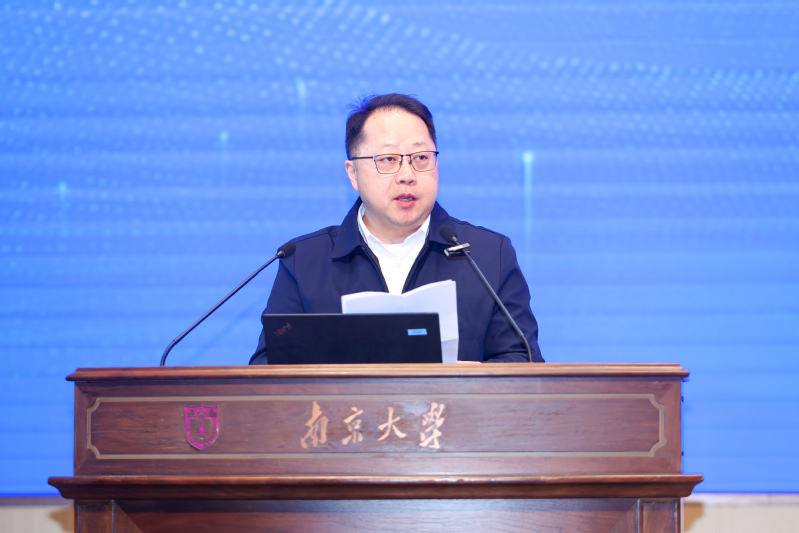
More than 200 renowned scholars, representatives of quantum technology entrepreneurs, and university teachers and students from the United States, the United Kingdom, the Guangdong-Hong Kong-Macao Greater Bay Area and other regions gathered to conduct in-depth exchanges on the cutting-edge progress in scalable quantum information and the future development direction of quantum science.
Academic Exchanges
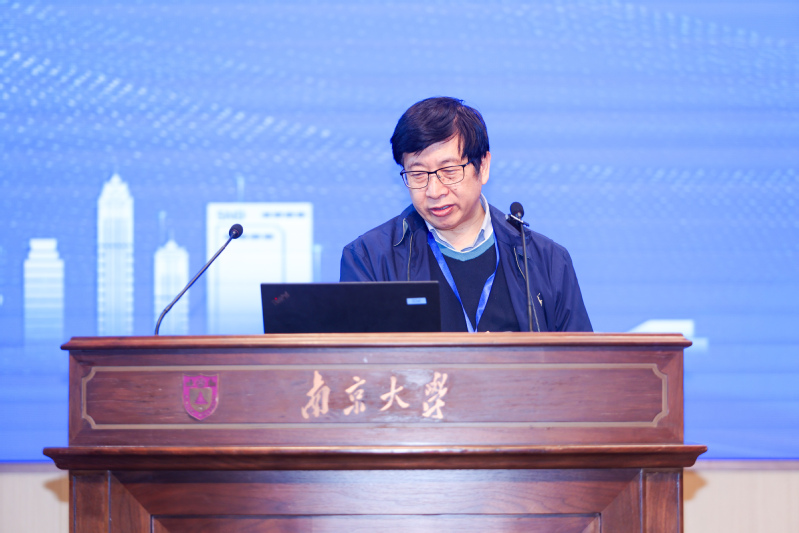
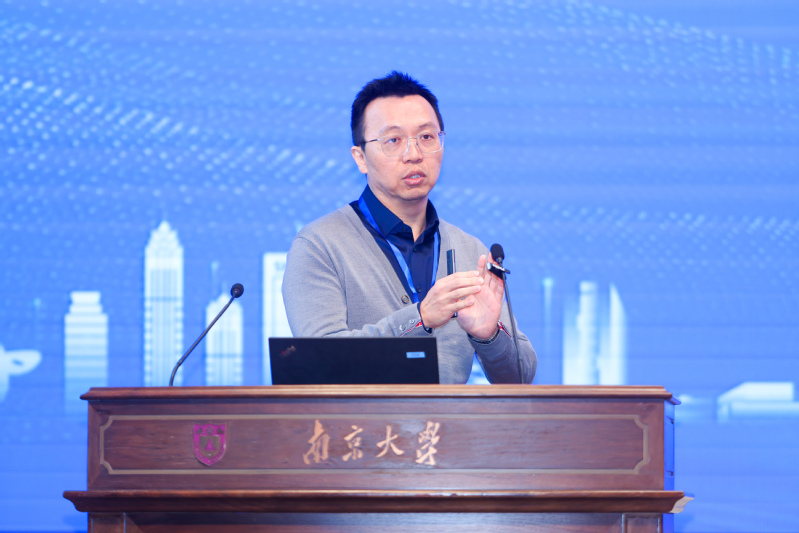
The conference featured multiple high-level academic reports. Distinguished experts including Professor Franco Nori, Chief Scientist at RIKEN, and Professor Richard Jozsa, Elected Fellow of the Royal Society and Professor at the University of Cambridge, delivered plenary keynote speeches. Focusing on themes such as superconducting quantum circuits and quantum algorithms, they respectively introduced recent work on superconducting circuits such as ultra-strong light-matter coupling, classical simulation of quantum computers, construction of universal quantum computing, and high-fidelity control and readout of superconducting qubits.
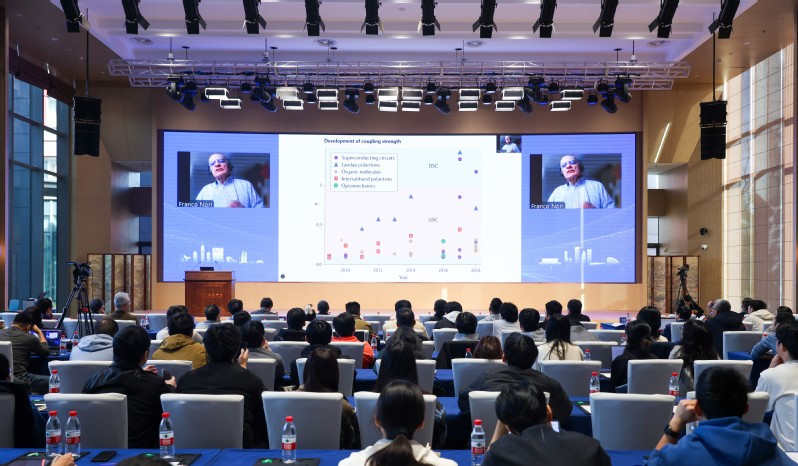
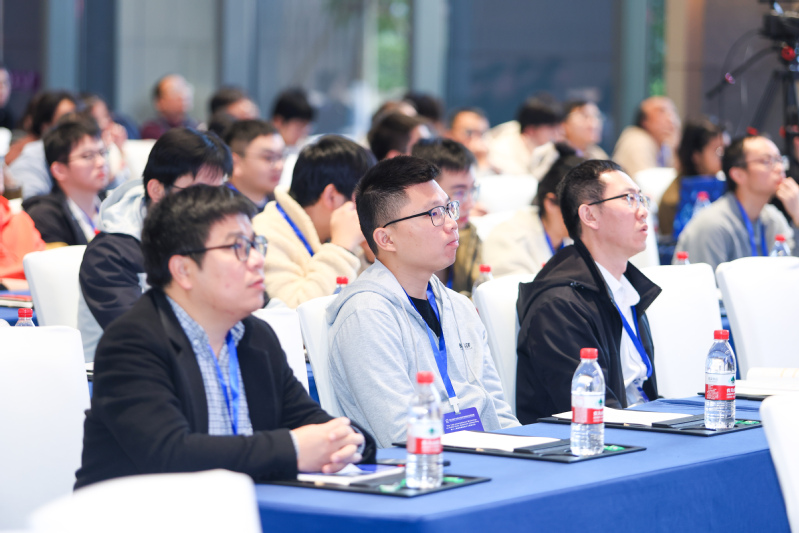
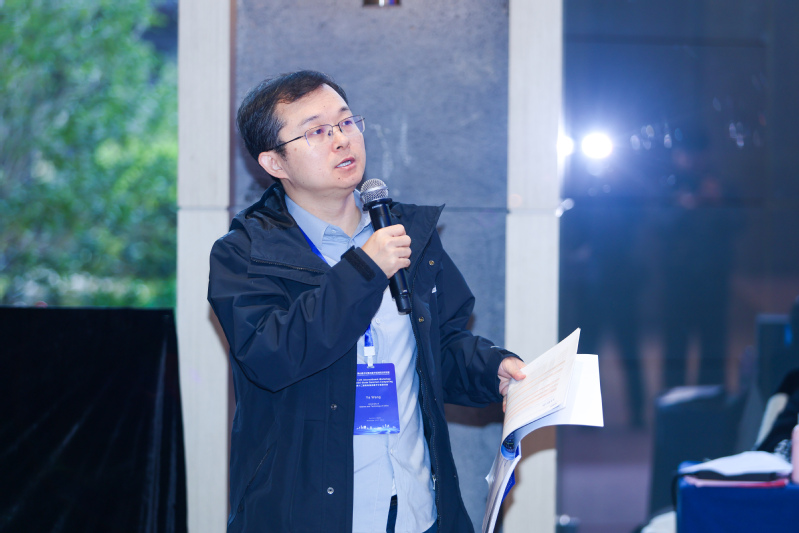
In addition, 28 experts from universities and research institutions in the United States, Hong Kong, Macao and other regions gave invited talks, covering the latest research results in multiple quantum computing implementation paths including superconducting chips, semiconductor quantum dots, photonic quantum chips, and neutral atom arrays.
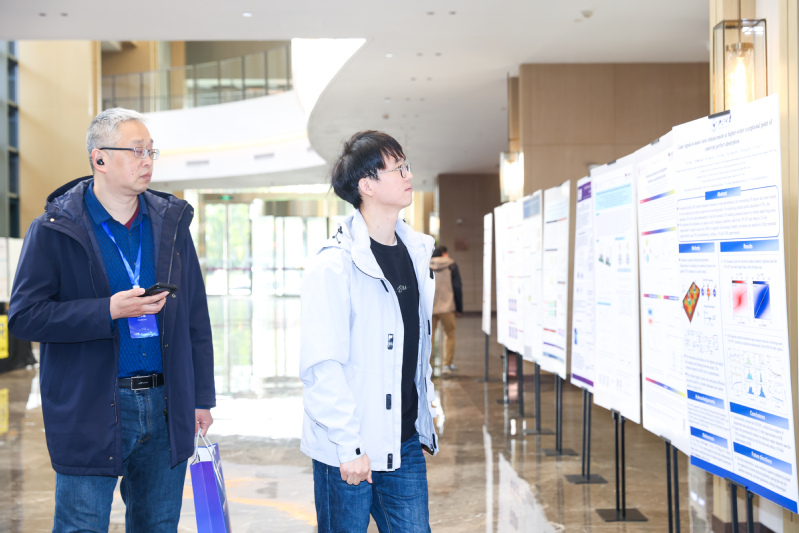
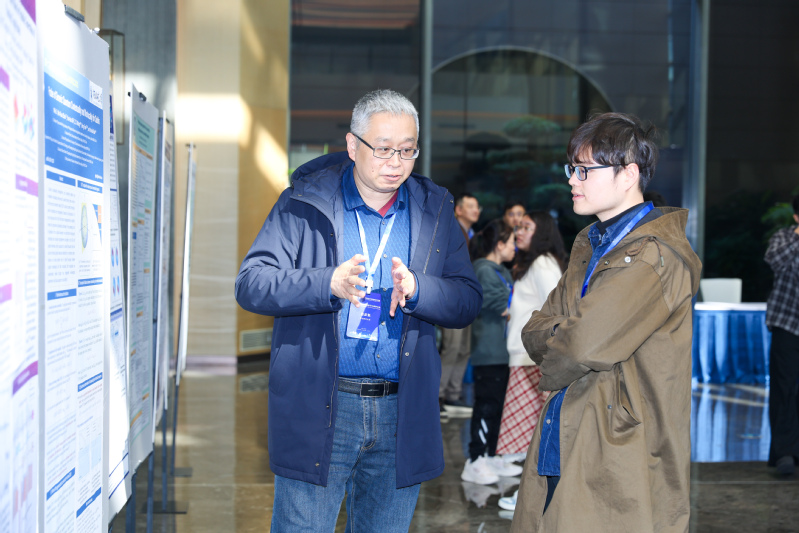
The conference also included a poster session with the active participation of more than 30 young scholars and graduate students. The on-site exchanges were enthusiastic and in-depth, with participants expressing that they were greatly inspired, and some reached preliminary cooperation intentions during the discussions.
Successful Closing
On the morning of November 27, the conference successfully concluded. Professor Wang Zidan from The University of Hong Kong, Chairman of the IWSSQC Organizing Committee and Deputy Director of Quantum Science Center of Guangdong-Hong Kong-Macau Greater Bay Area, delivered a summary speech. He thanked all speakers and participants and announced that the next workshop will be hosted by Southwest Jiaotong University.
Workshop Highlights
This conference was co-hosted by Nanjing University, South China Normal University, The University of Hong Kong, and Quantum Science Center of Guangdong-Hong Kong-Macau Greater Bay Area. Professor Wang Zidan (Deputy Director of Quantum Science Center of Guangdong-Hong Kong-Macau Greater Bay Area & Professor of The University of Hong Kong), Professor Yu Yang from Nanjing University, and Professor Zhu Shiliang from South China Normal University served as Co-Chairs. With strong support from Suzhou High-tech Zone and Suzhou Science and Technology Town, the conference was co-organized by Jiangsu Key Laboratory of Quantum Science and Technology and Shishan Quantum Computation and Quantum Detection Laboratory, and co-sponsored by QuantumChina.
Let's review the wonderful moments of the conference!
Laboratory Visit
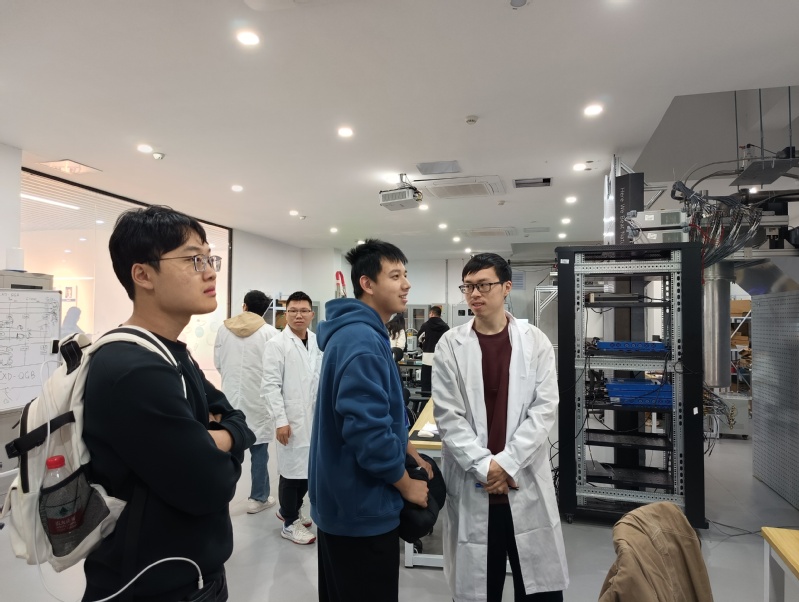
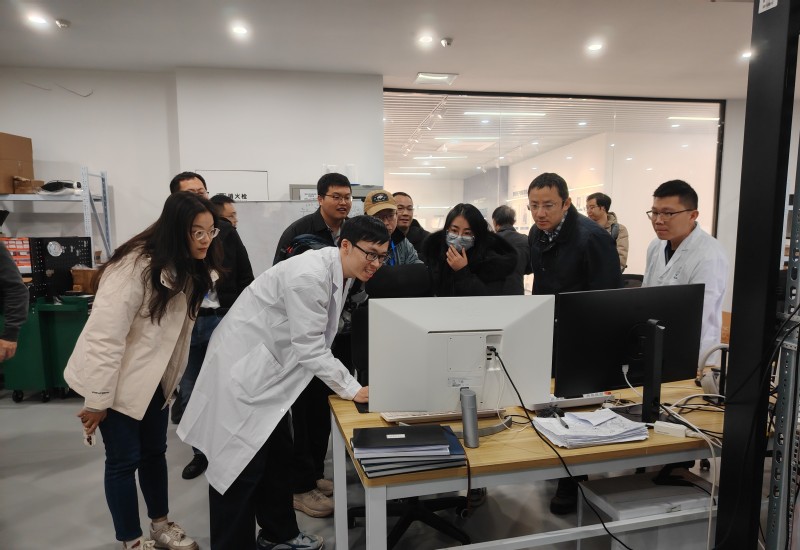
After the conference, the organizers specially arranged a visit to Shishan Quantum Computation and Quantum Detection Laboratory. Experts and scholars observed the laboratory's advanced scientific research facilities on-site, gained an in-depth understanding of the construction and operation process of quantum computing experimental systems, and conducted face-to-face discussions with the laboratory's research team on key technical difficulties in solid-state quantum computing such as environmental noise suppression and scalable system integration. They also exchanged feasible plans for technological achievement transformation, making the technical exchange dimension of this academic event more concrete and in-depth.