Lead
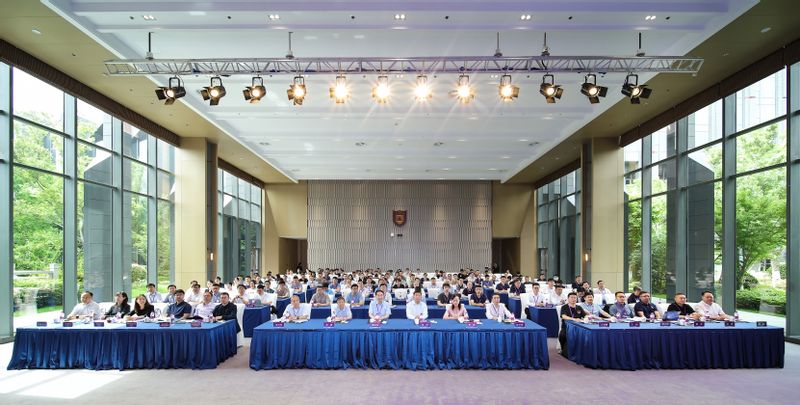
On May 30, 2026, the [ Shishan · Quantum Innovation ] Industry and Research Integration Development Conference, hosted by Nanjing University and organized by the Jiangsu Key Laboratory of Quantum Information Science and Technology and the Shishan Quantum Computation and Quantum Detection Laboratory, was held at Nanjing University Suzhou Campus. Jiang Tian, Assistant to the President of Nanjing University and Executive Deputy Director of Suzhou Campus Management Committee, and Hu Jie, Member of the Suzhou High-tech Zone Party Working Committee and Secretary of the Suzhou Science and Technology City Party Working Committee, attended the opening ceremony and delivered speeches. Xing Dingyu, Academician of the Chinese Academy of Sciences and Professor at Nanjing University, attended the conference. Chen Qian, Deputy Director of Nanjing University Suzhou Campus Management Committee and Secretary of the Party Committee of the School of Advanced Engineering and the School of Frontier Science, presided over the opening ceremony.
01 Conference Opening
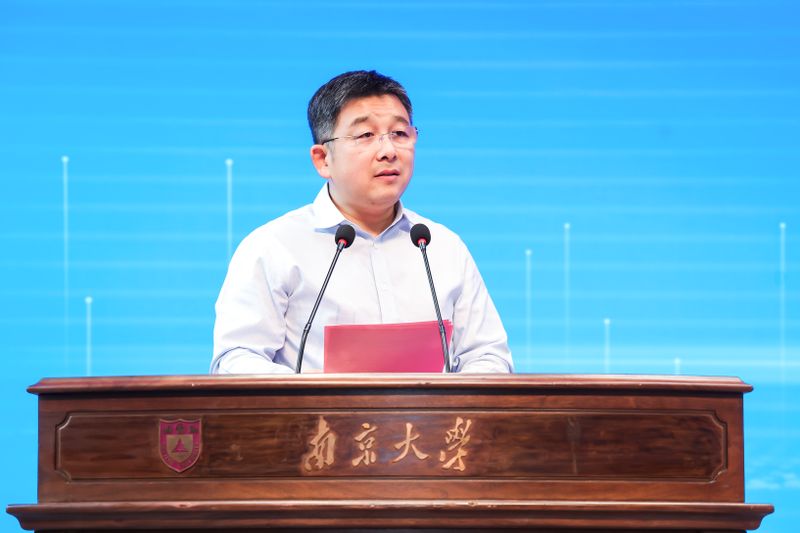
Jiang Tian stated in his speech that at this critical juncture marking the beginning of the "15th Five-Year Plan" period, quantum technology represents a vital strategic field for cultivating new quality productive forces and seizing the high ground in scientific and technological competition. Nanjing University, aligning with national strategic needs, has identified quantum technology as a key development direction. Leveraging the innovation platform of Suzhou Campus and with the support of Suzhou High-tech Zone, the university has established provincial key laboratories and cutting-edge research laboratories, achieving significant progress in scientific research. He pointed out that the development of the quantum industry urgently requires coordinated efforts from multiple parties. Taking this conference as an opportunity, the university will deepen the integration of government, industry, academia, research, and application, gather high-end talent, tackle core technologies, jointly build a quantum industry ecosystem, assist Suzhou in creating a high-standard quantum innovation hub, and continue to contribute Nanjing University's strength to the nation's pursuit of technological self-reliance and self-strengthening.
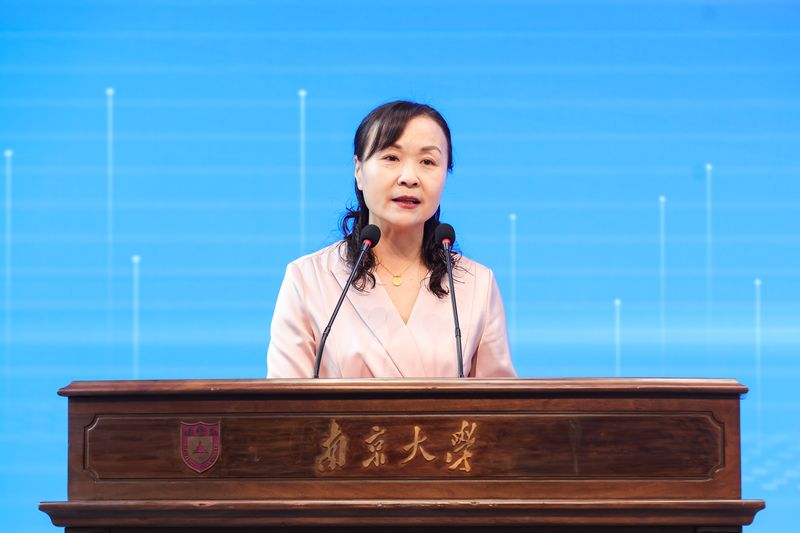
Hu Jie stated that Suzhou High-tech Zone, as one of the first batch of national high-tech zones in China, is building a world-class Taihu Photon Center with Taihu Science City as its core. The High-tech Zone has partnered with Nanjing University to establish the Shishan Quantum Computation and Quantum Detection Laboratory, adhering to industry-research integration and two-way empowerment, accelerating technology transfer and industrial chain aggregation, and striving to become a pilot zone for future industries. She noted that this conference has built an important platform for deepening industry-academia-research collaboration. The High-tech Zone will provide full-chain innovation services, facilitate the transition of more achievements from laboratories to production lines, attract high-quality projects and talent, and jointly build the "Taihu Optical Valley" while promoting high-quality development of the quantum industry.
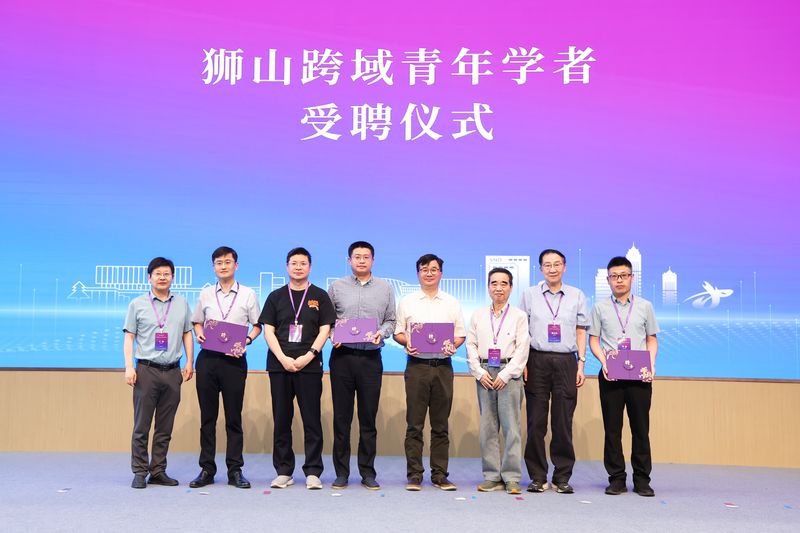
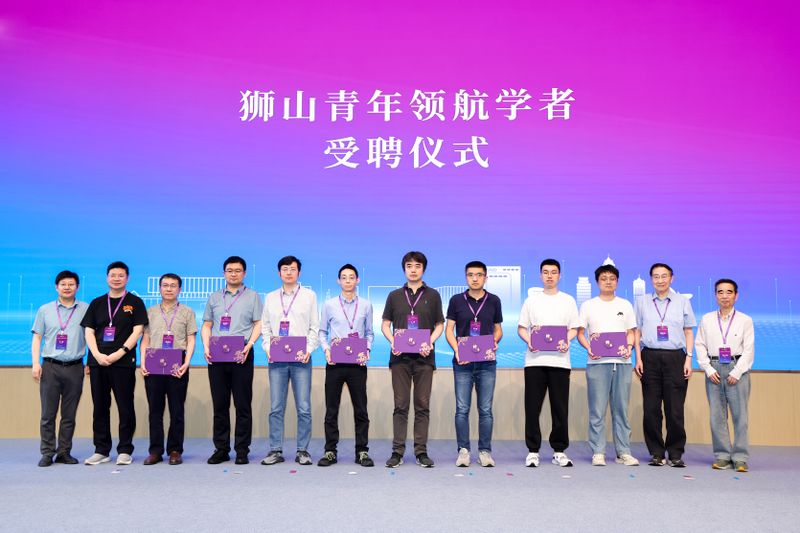
A ceremony for the appointment of Shishan Outstanding Young Scholars was held at the conference. A total of 12 outstanding young scholars were appointed, including 4 Shishan Cross-Domain Young Scholars and 8 Shishan Young Leading Scholars, bringing together young research talents from multiple fields. At the ceremony, Xing Dingyu, Academician of the Chinese Academy of Sciences and Professor at Nanjing University, Wang Zidan, Deputy Director of the Guangdong-Hong Kong-Macao Greater Bay Area Quantum Science Center and Professor at the University of Hong Kong, Wan Xiangang, Dean and Professor of the School of Physics at Nanjing University, and Yu Yang, Professor at the School of Physics of Nanjing University and Head of the Shishan Quantum Computation and Quantum Detection Laboratory, jointly presented appointment certificates to the appointed scholars. This appointment will further consolidate the young scientific and technological workforce of the Shishan Quantum Laboratory, continuously strengthen the talent team, and lay a solid talent foundation for quantum research and long-term development.
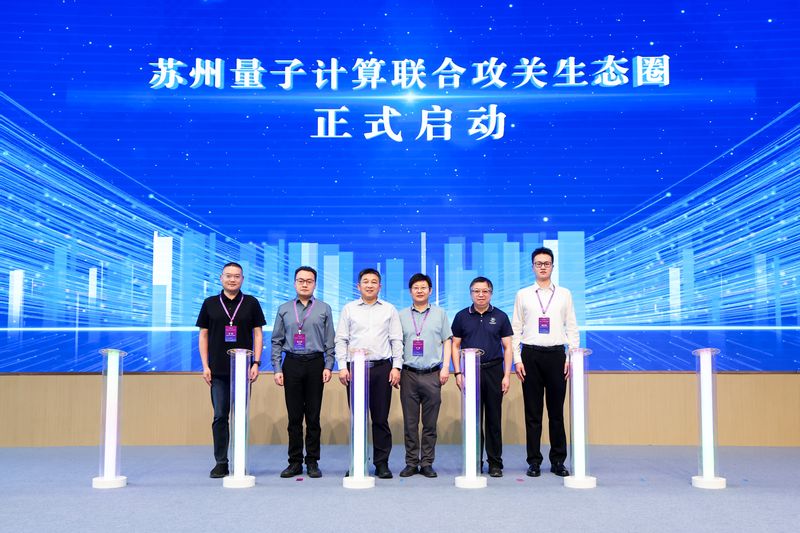
At the conference, the launching ceremony of the "Suzhou Quantum Computing Joint Innovation Ecosystem" was also held. Jiang Tian, Assistant to the President of Nanjing University; Yu Yang, Head of the Shishan Quantum Computation and Quantum Detection Laboratory; Yang Yunxiang, Assistant to the Director of the Yangtze River Delta Quantum Science and Technology Industry Innovation Center; Qian Ling, Chief Expert of China Mobile Group and Deputy Chief Engineer of the Cloud Capability Center; Wu Feng, General Manager of Suzhou Jiweng Semiconductor Technology Co., Ltd.; and Guo Fuqiang, General Manager of Yorka (Suzhou) Technology Co., Ltd., jointly took the stage to launch the initiative. Their goal is to concentrate efforts on bridging the chains of technological research, achievement transformation, and industrial implementation, thereby improving the quantum industry ecosystem layout in Suzhou.

Chen Qian Presiding Over the Conference
Leading experts in the quantum field, key researchers from universities and research institutes, executives from benchmark enterprises across the quantum computing supply chain including whole-machine manufacturers, core component suppliers, and intelligent manufacturing firms, as well as representatives from renowned venture capital institutions and industry associations, gathered together to discuss quantum frontiers and the future of the industry.
02 Conference Report
The conference featured invited expert academic reports in the morning session. Four renowned experts and scholars in the quantum field — Professor Zhu Shiliang from South China Normal University, Professor Zhou Zhengwei from the University of Science and Technology of China, Professor Chen Wei from Nanjing University, and Professor Wang Xiangbin from Tsinghua University — shared cutting-edge research achievements in quantum information. Focusing on frontier topics such as quantum network storage, quantum many-body physics, condensed matter quantum control, and wide-area quantum secure communication, they respectively presented high-fidelity quantum storage technology based on atomic ensembles, thermalization mechanisms of quantum many-body scars and explorations of anti-decoherence, novel physical effects of Nambu spinor entangled states, as well as the latest theoretical and major experimental progress in twin-field quantum key distribution (TF-QKD) protocols for breaking the limit of repeaterless quantum communication.
 |  | |
|
|


03 Parallel Session Reports
In the afternoon, the conference adopted a dual-track parallel format, with both sessions featuring alternating academic and industry reports. The two sessions brought together university researchers, industry experts, and corporate representatives to promote two-way empowerment and deep integration between cutting-edge academic research and industrial application.
Venue One
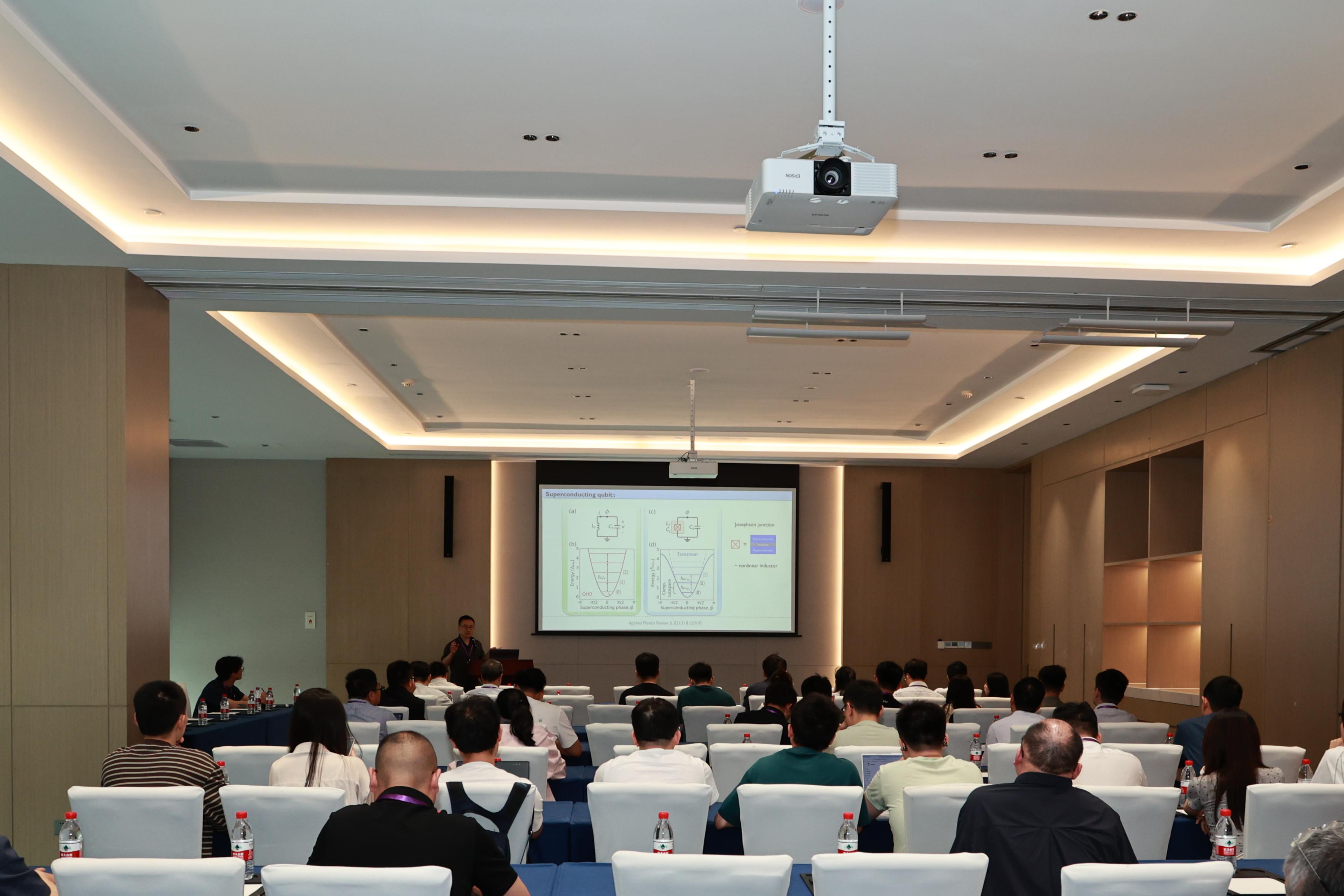
The speakers at Venue One shared insights on core areas including quantum computing scalability, quantum error correction, quantum precision measurement, and ultra-low temperature refrigeration equipment. They presented cutting-edge achievements such as explorations of the TLS mechanism, cryogenic electronics, automated calibration technology for measurement and control, dual-rail qubits, and error correction theories. The discussions focused on the engineering implementation challenges of scalable superconducting quantum computing core equipment and tackled key technical hurdles in the development and industrialization of domestic dilution refrigerators, thereby laying a theoretical and experimental foundation for the iterative optimization of quantum technologies and the self-reliance of underlying equipment.


Venue Two
The speakers at Venue Two focused their reports on areas including quantum analog simulation, the quantum computing industrial ecosystem, noise-resilient quantum computing, and novel computing platforms. The presentations covered quantum simulations in systems such as room-temperature atoms, magnetic surface molecular spins, and topological superatoms in superconducting circuits; geometric phase-based noise-resilient quantum computing; ultra-low temperature microwave links and novel coherent Ising quantum computing platforms; technological pathways such as quantum-classical hybrid computing; and the global prospects of quantum industrialization. These reports demonstrated the strong potential of quantum computing in analog simulation as well as the trend of collaborative development between hardware and algorithms, providing new ideas for the deep integration of industry, academia, and research.
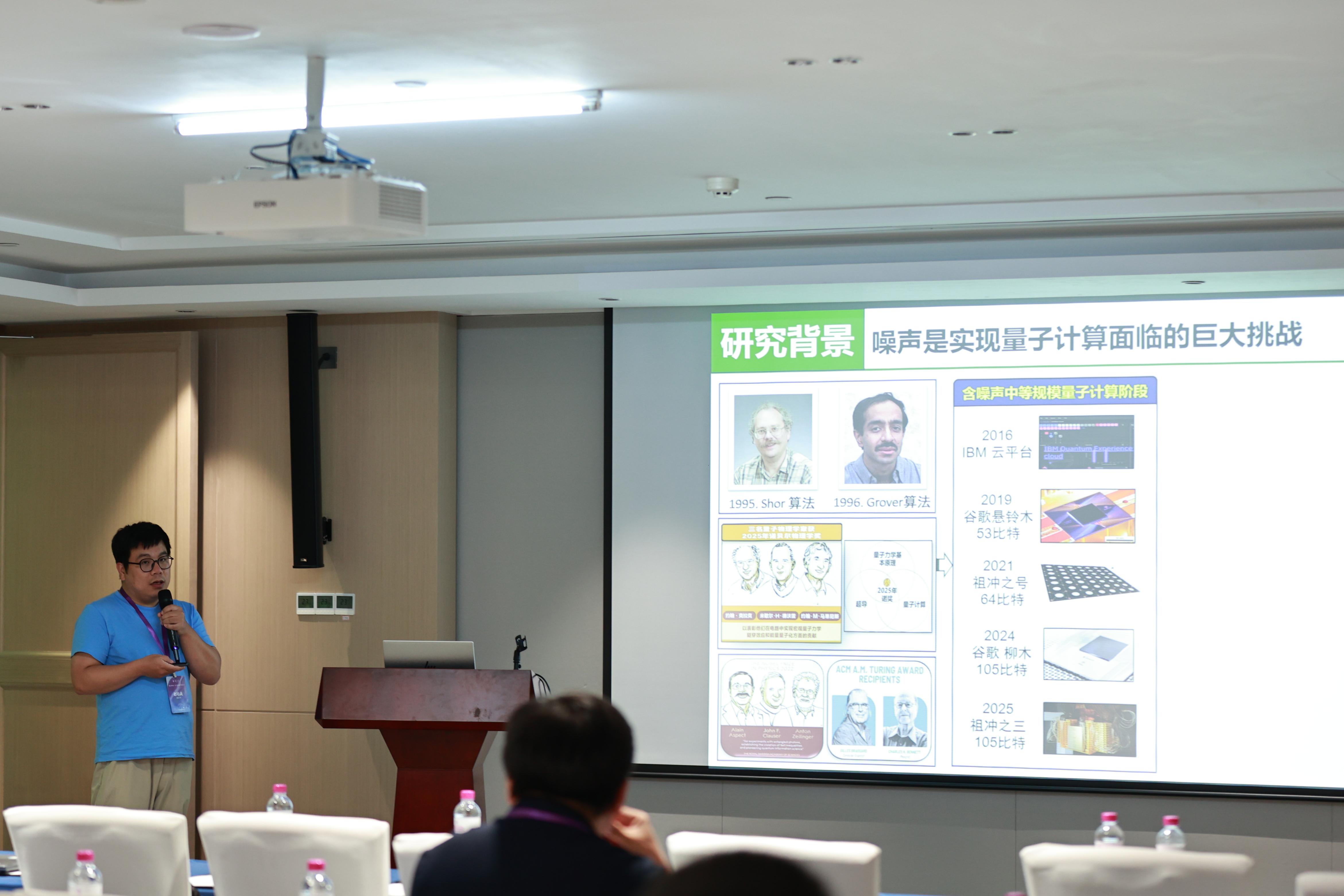
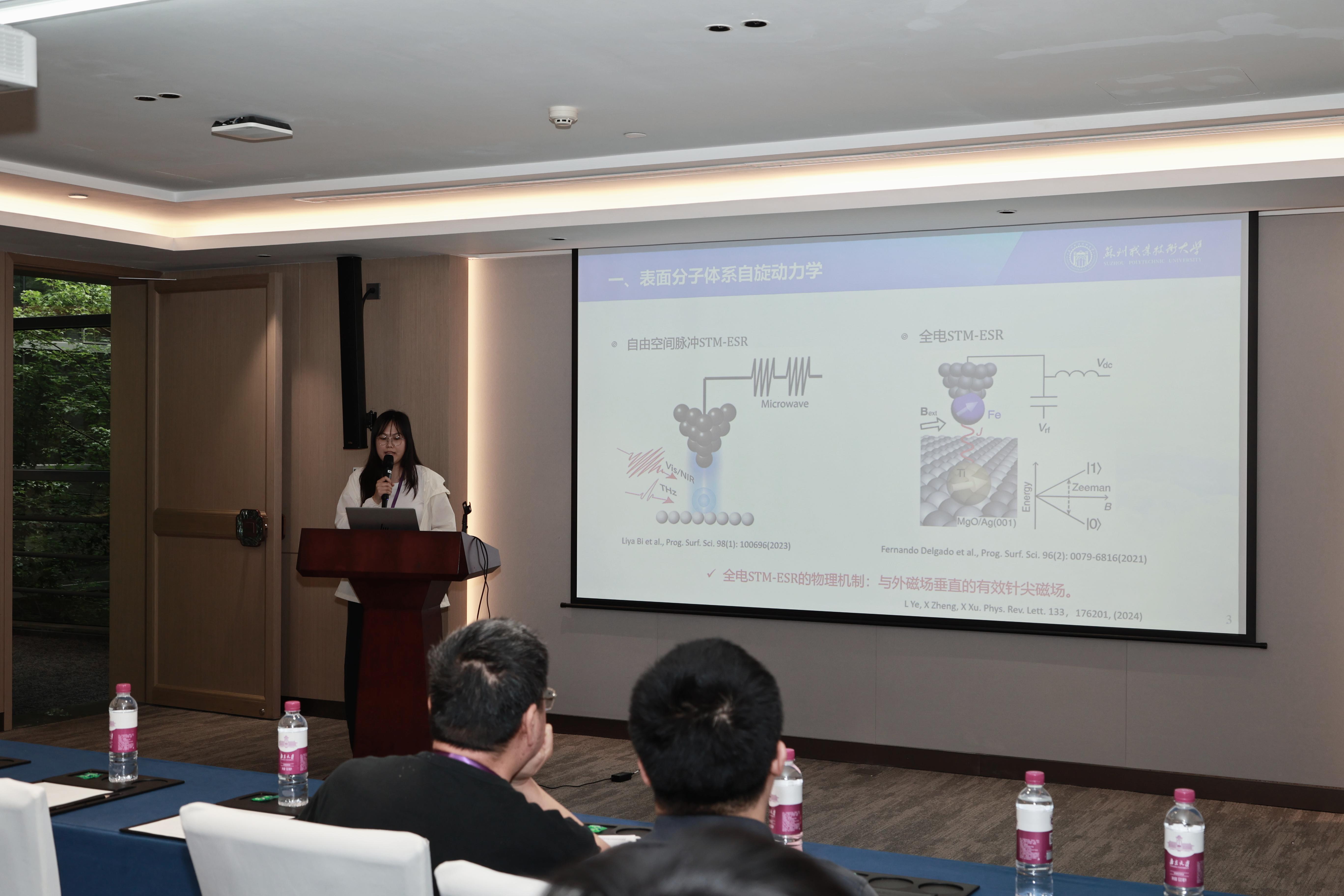


The academic discussions at both venues were thorough and dynamic, with a lively atmosphere of exchange. Participating scholars and experts engaged in extensive communication and shared insights on cutting-edge directions, building broad consensus and gathering leading-edge wisdom for academic innovation and technological exploration in the quantum field.
04 Industry-Research Exhibition and Exchange
The conference meticulously set up a dedicated corporate technology exhibition area, inviting multiple benchmark enterprises in fields such as quantum computing, core components, measurement and control systems, and cryogenic equipment to participate. Each enterprise showcased their latest technological achievements, product prototypes, and solutions, comprehensively presenting the latest progress and application practices of quantum technology moving from the laboratory to industrialization. This provided attendees with a professional setting for close-up observation, on-site experience, and cooperative discussions, effectively facilitating precise alignment between research demands and industrial supply.
 |  | |
|
|


The exhibition area also featured an academic poster exchange section, showcasing cutting-edge research achievements and the latest progress in the field of quantum information. The poster content covered theoretical innovations, experimental breakthroughs, technical validation, and other directions, providing an open platform for young researchers to engage in face-to-face academic exchange. This facilitated the collision of ideas, mutual sharing of experience, and academic collaboration, fully stimulating the scientific creativity and innovative potential of young scholars.
| ||||||||


The dual-zone integration of corporate exhibition booths and academic posters achieved an organic combination of industrial achievement display and academic innovation exchange. This effectively promoted the deep integration and two-way empowerment of cutting-edge research and industrial application, fully demonstrating the conference's distinctive characteristics of industry-research collaboration and collective innovation. It injected new momentum into the ecosystem construction and high-quality development of the quantum field.
Themed "Suzhou Quantum Technology Industry-Academia-Research Integration and Quantum Industry Ecosystem Construction Matchmaking and Exchange," this conference served as a major event for the development of the quantum information industry in Suzhou High-tech Zone. With strong support from Suzhou High-tech Zone, Suzhou Science and Technology City, and Nanjing University, the conference efficiently bridged scientific innovation and industrial demand, successfully completing a series of key activities including talent appointments, ecosystem building, academic sharing, and industry matchmaking. It fully demonstrated the strong vitality and broad prospects of Suzhou's quantum industry.
Moving forward, the Shishan Laboratory for Quantum Computation and Quantum Detection will continue to take this conference as a new starting point, further deepening government-industry-academia-research-application collaborative innovation, accelerating breakthroughs in core technologies and their translation into practical applications, and joining hands with partners from all sectors to build a new quantum industry ecosystem and usher in a new future for quantum science and technology.